




AHA, BHA and PHA: The Complete Guide to Chemical Exfoliation

Chemical exfoliation sounds intimidating, but it’s gentler and more effective than physical scrubs. Instead of rubbing at your skin, acids dissolve the “glue” that holds dead skin cells together, revealing smoother, brighter skin underneath. The three main types — AHA, BHA and PHA — each work differently.
AHA (alpha-hydroxy acids)
Water-soluble acids like glycolic and lactic acid work on the skin’s surface. They’re brilliant for dullness, rough texture, uneven tone and early signs of ageing. Best for normal, dry or sun-damaged skin.
BHA (beta-hydroxy acid)
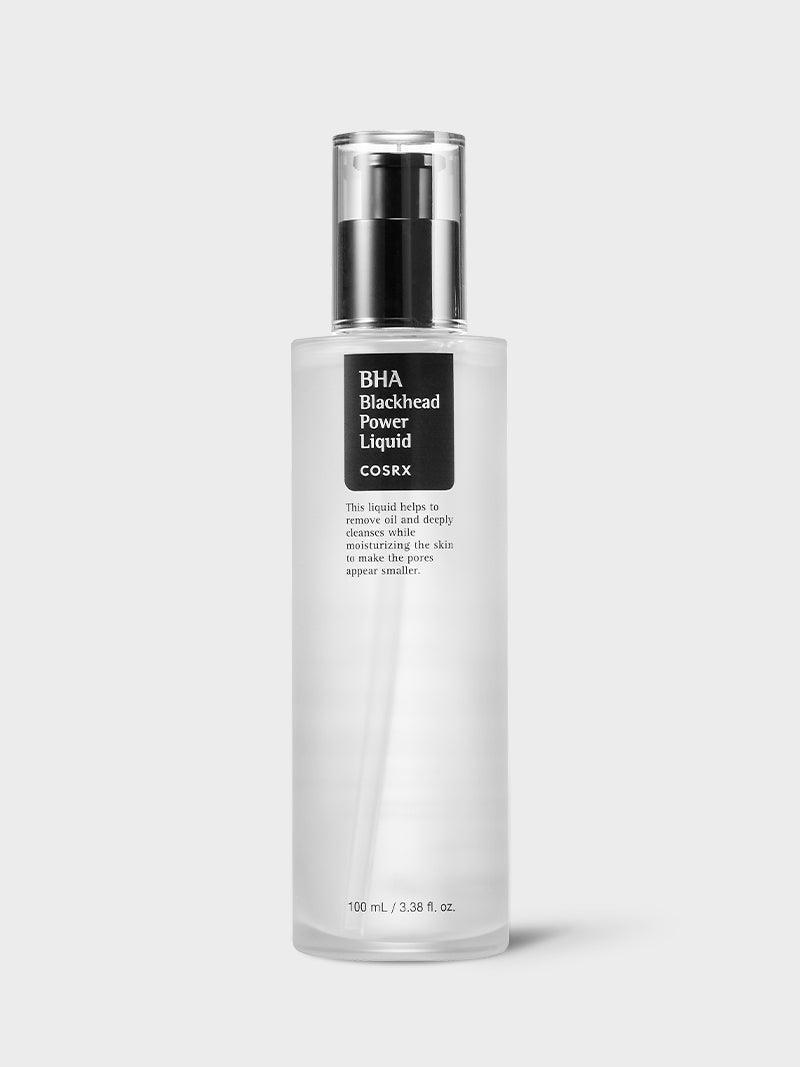
Salicylic acid is oil-soluble, so it penetrates into the pore and clears out the oil and debris that cause blackheads and breakouts. If you have oily, congested or acne-prone skin, BHA is your best friend.
PHA (poly-hydroxy acids)
Gluconolactone and lactobionic acid are larger molecules that exfoliate more slowly and gently, with added hydration. PHAs are ideal for sensitive or reactive skin that can’t tolerate stronger acids.
How to exfoliate safely
- Start 1–2 times per week and build up only if your skin tolerates it.
- Apply to clean, dry skin and follow with hydrating, soothing products.
- Never use exfoliating acids on the same night as retinol — alternate them.
- Exfoliation makes skin more sun-sensitive, so daily SPF is essential.
Signs you’re over-exfoliating
Tightness, stinging, redness, flaking or new breakouts mean you’ve overdone it. Stop exfoliating, focus on hydration and barrier repair, and reintroduce acids slowly. Less is almost always more.
Browse exfoliating toners and find the gentle formula that fits your skin.